September 28,2026
When an Employee Leaves: Is Your Business Data Still Secure?
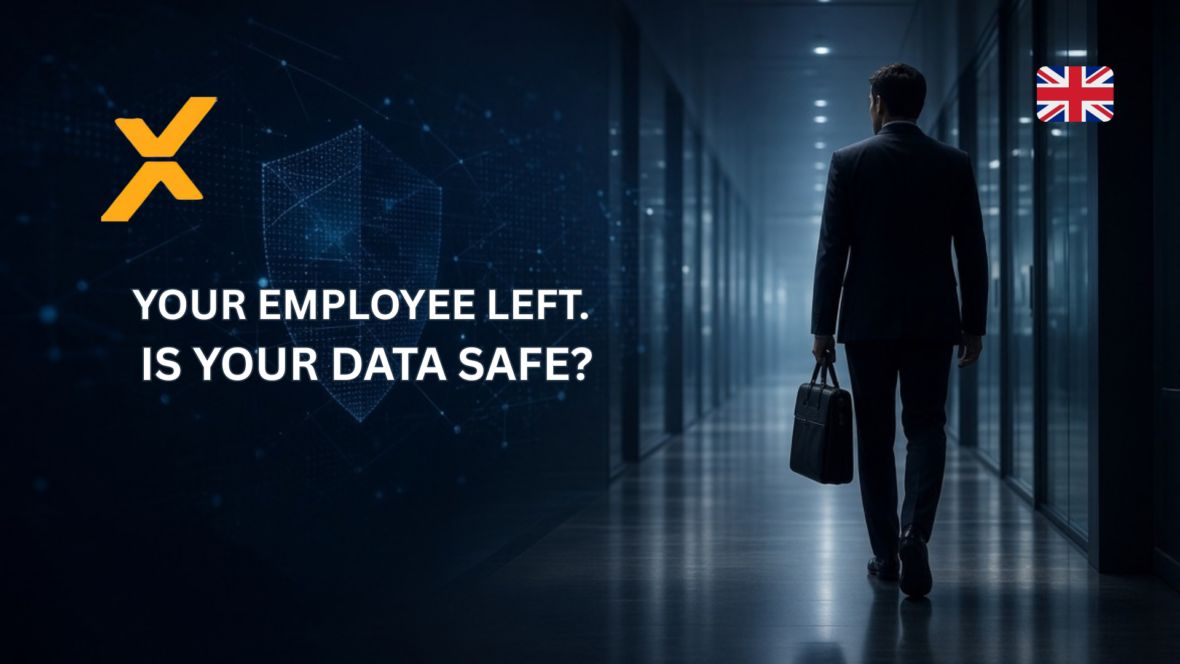
When someone leaves your business, the usual checklist tends to cover the practical stuff: handing over work, collecting laptops and phones, and wrapping up the HR paperwork.
But there’s another question worth asking yourself:
What happens to your data and systems once that person has gone?
Employees often have access to a lot — customer details, emails, shared files, cloud tools, and other business systems. If that access isn’t switched off promptly, there’s a chance some of that information could stay open longer than it should.
Start With Access
The UK National Cyber Security Centre (NCSC) suggests organisations put a clear “joiners, movers and leavers” process in place. It simply means having a reliable way to remove access when someone no longer needs it.
For someone leaving, that might include things like:
- Disabling their business accounts
- Removing access to cloud services and shared systems
- Taking away any admin or privileged rights
- Checking access to customer or confidential information
- Collecting company devices
- Reviewing email and collaboration tools
The NCSC also advises that temporary accounts should also be removed or suspended when no longer required.
What If You’re Worried Data May Have Already Left With Them?
Sometimes the situation feels a bit more serious. You might notice unusual file activity just before someone leaves, or discover that sensitive information appears to have been moved somewhere it shouldn’t have been.
In those moments, it’s easy to jump to conclusions — but it’s usually more helpful to take a calm, structured look at what actually happened.
A measured response could involve:
1. Securing accounts
Quickly reviewing and locking down any accounts or permissions that might be affected.
2. Looking at the activity
Checking system and access logs for anything out of the ordinary.
3. Keeping relevant records
Holding onto technical details that could be useful for internal, HR or legal discussions later.
4. Understanding the data involved
Getting a clearer picture of what information may have been accessed or copied.
5. Tightening things up going forward
Thinking about how similar situations could be spotted or prevented next time.
Where Data Loss Prevention Can Offer a Bit of Extra Help
Access controls are good at deciding who is allowed to see certain information.
Data Loss Prevention (DLP) tools can add another layer — giving you more visibility over how sensitive data is being used, and helping to flag or control actions that might carry risk.
This can be especially useful if your business handles customer data, financial information, intellectual property or other confidential material.
Don’t Leave It Until the Last Day
Offboarding works best when it’s woven into your wider security approach, rather than being treated as a pure HR task.
The Information Commissioner’s Office (ICO) also recommends removing leavers’ access rights in a timely way and reviewing access regularly as people change roles or leave.
For UK businesses, a practical approach looks something like this:
HR offboarding + access management + security monitoring + data protection controls
Together, these steps help reduce the chance that access continues after someone has moved on.
How AxLogic Can Support You
If you’re concerned that sensitive information may have been accessed or taken during an employee departure, AxLogic Cyber Security can help with the technical side — securing access, reviewing activity, investigating what happened, and preserving any relevant evidence.
For day-to-day protection, Axionac DLP software can give you better visibility and control over sensitive data.
Whether you need support with an incident or want to strengthen your ongoing data protection, AxLogic is here to help UK businesses look after what matters.
Prefer to watch? See our short video: Employee Left? What Happens to Your Business Data?